Global Dive Team - Matthew David Kaplan
Matthew David Kaplan
Location: Indonesia
Occupation: Ocean Filmmaker and Dive Expedition Leader
Scuba Diving Since: 2002
Favorite Local Dive: Magic Mountain, Indonesia
Favorite Dive Location: Raja Ampat, Indonesia
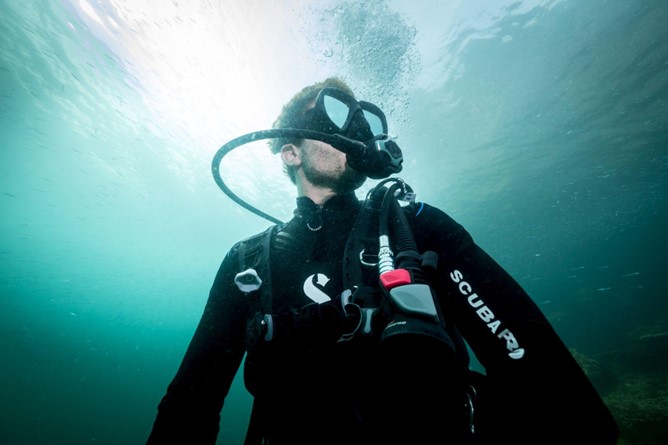
An Interview with Matthew
Please write a 3-4 sentence bio summarizing who you are and what you do:
I’m an ocean filmmaker and dive expedition leader dedicated to protecting and restoring the ocean through storytelling, education, and action. I serve as Lead Ambassador of Only One and am Director of Dive Expeditions at Oceans Nation. I use my films to spotlight both the threats facing marine ecosystems and the people working to solve them. With more than two decades of dive experience across six continents, I’ve seen both the beauty and fragility of the underwater world. I’m a strong advocate for creating more no-take marine protected areas to give the ocean time and space to recover and thrive.
Why did you decide to take the giant stride into the oceans?
My first dive was in 2002 in the Bahamas when I was 18. It was the first time I experienced being part of the underwater world, and I was instantly hooked. A few years later, while studying abroad in Sydney, I earned my Open Water certification and spent every free moment diving, from the Great Barrier Reef and the Yongala shipwreck to Bare Island just outside the city. I still remember every moment of my first manta ray encounter some two decades later.
In the years that followed, I dived a few weeks a year, mostly in the Caribbean. But everything changed in 2013 when I went to Komodo, Indonesia. That trip shifted everything. I realized the ocean wasn’t just a place I loved, it was a world I wanted to protect and share.
How has diving changed your life?
Diving has completely changed my life. It’s where I feel most connected, grounded, and clear. Being underwater is a living meditation. It calms my mind, resets my body, and lifts my spirit. It also deepened my love for filming and gave me a purpose: to capture what’s happening underwater and tell the stories that matter. Every time I dive, I reconnect with Sister Ocean and Mother Earth and I’m reminded why this work is worth doing.
What kind of diving do you like to do?
I enjoy all types of diving: drifting with pelagics, searching the sand for critters, or exploring steep reef walls. But my greatest love is diving coral reefs in Indonesia, the most biodiverse marine region on Earth. Healthy reefs are full of life, color, and movement, and every dive feels different. But reefs are in crisis due to rising sea temperatures, overfishing, untreated sewage, and pollution.
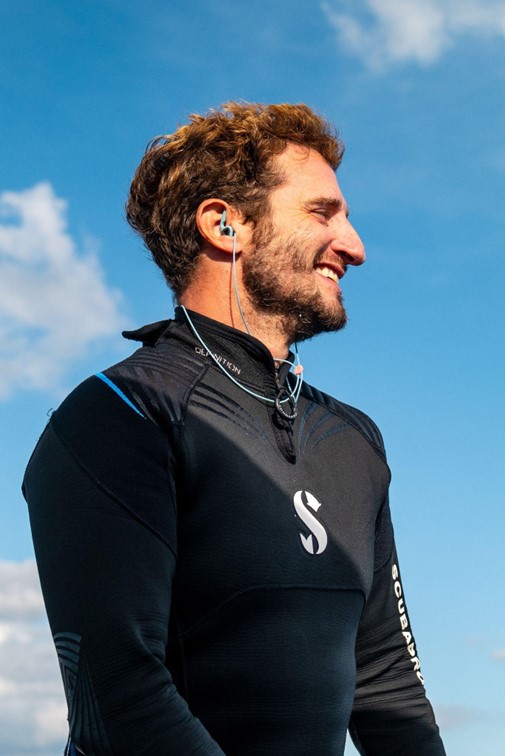
Tell us about one of the most amazing experiences you have had underwater?
I waited 22 years for the opportunity to dive with thresher sharks… and the wait was worth it. In Malapascua, Philippines, they rise from the deep to visit a cleaning station just after sunrise. I’ll never forget that early morning dive - getting up in the dark, riding out under a star-filled sky, and dropping into the water as the sun began to rise. A thresher shark swam directly toward me with its giant eyes, sleek silver body, and a tail as long as its entire body. I was completely in awe. It was one of the most surreal moments I’ve ever had in the ocean, in my life.
Where are some of your favorite places underwater?
Baja California Sur is a place I return to again and again. Here you can see blue whales, mobula rays, huge pods of dolphins, and even orcas. It’s one of the few places where you can genuinely expect the unexpected. The Red Sea, The Philippines, The Caribbean, Galapagos, Australia, Fiji, and other places around the world have been special adventures, but for me, Indonesia is the heart of it all. Indonesia is where I feel most connected and where I believe we have the most to lose if we don’t act.
Indonesia is my favorite place to dive - nothing else comes close. I’ve explored its waters from the currents of Komodo to the critter-rich muck dives of Ambon, and the colorful coral reefs of Alor, the Banda Sea, and Triton Bay. But Raja Ampat tops the list. It holds more fish species than anywhere else on Earth and shelters 75% of all known coral species. Still, even this remote paradise is under strain. Warming seas, overfishing, pollution, and untreated sewage are pushing the ecosystem off balance, allowing harmful organisms to spread and placing immense stress on the coral’s ability to survive and recover.
What is your advice to someone considering diving?
Diving gives you access to a part of the world most people never see. It changes the way you understand nature, the planet, and your place in it. If you’re thinking about it, go for it. Take it slow, focus on safety, and find a dive shop that really supports your learning.
The more comfortable and confident you are, the more you’ll enjoy the experience. And once you’re underwater, pay attention - not just to the fish and the coral, but to what’s missing, what’s changing, and how you can help protect it.
What would you tell people about the oceans?
The ocean is the heart of the planet. It shapes weather, produces most of the oxygen we breathe, and supports an incredible diversity of life. But it’s facing major threats from rising sea temperatures, overfishing, untreated sewage, and pollution. These pressures are breaking down reef systems and disrupting the balance of marine life.
We all have a role to play in protecting the ocean, and there are meaningful actions we can take:
• Cut back on seafood and choose sources that are truly sustainable.
• Avoid cosmetics made with shark-derived squalane. Plant-based alternatives are widely available.
• Support no-take marine protected areas that allow ecosystems to recover and thrive.
• Ask dive resorts exactly how they treat their sewage and whether they prevent nitrogen and phosphorus from entering the ocean before you book a trip.
• Raise awareness. Share what you learn, speak up, and support petitions that push local, national, and global policy change.
• Donate to or volunteer with organizations working to restore marine ecosystems and protect vulnerable species.
If we act now, there’s still time to protect what remains and give the ocean the time and space to stabilize and recover so future generations can experience a living ocean, not just watch it on screen.
What does diving mean to you?
Diving is how I connect to the ocean on a personal level. It’s a way to escape the noise, to reset, and to feel part of something bigger. Every dive reminds me of what’s at stake—from the beauty still thriving to the damage we’ve already done.
It’s also how I share what I see—through storytelling, filmmaking, and helping others understand what’s happening beneath the surface. Diving gives me clarity and keeps me focused on what really matters.
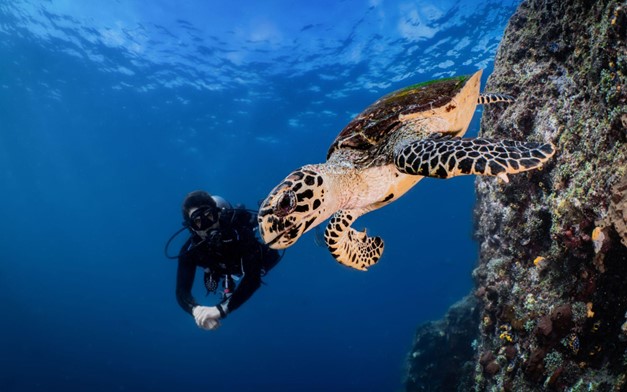
What's your favorite thing in your dive bag?
My Scubapro S620 Ti regulator. It’s lightweight, smooth, and breathes so effortlessly it feels like I just think about breathing and it happens. My life depends on it, and I trust it completely. No matter where I am in the world, I know I can rely on it to get me through the dive safely.
Follow Matthew on Instagram, TikTok or visit matthewunderwater.com.